 |
||||||||
Comments?
Mail to: ericnelsonavery@yahoo.com |
Themes |
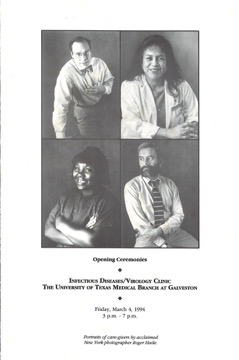 |
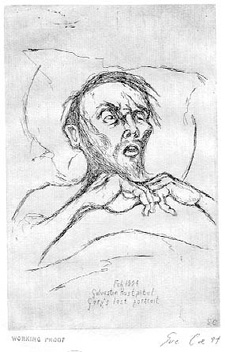
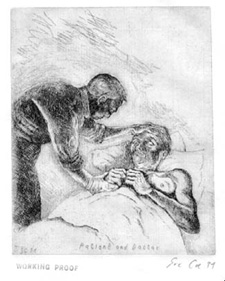
Art exhibit features portraits of UTMB's AIDS care team and etchings made by Sue Coe during her visit to HIV Clinic and Wards at UTMB in 1994.
A collection of photographic portraits of 88 UTMB employees illustrates the sense of community developed by the University’s HIV/AIDS care-givers.
The photographs will be unveiled March 4 [1994] during opening ceremonies fir the UTMB Infectious Diseases/Virology Clinic, which will include participation by White House AIDS Policy Coordinator Kristine Gebbie. Debbie will be at UTMB to participate in the conference HIV/AIDS: Paradox in Practice and will present UTMB’s second Health Care/Health Policy Lecture.
Taken by acclaimed New York photographer Roger Haile, the set of black-and-white photographs was created as a visual reference of the many people at UTMB working against extraordinary odds in the battle against HIV and AIDS. The collection features the AIDS care team, from Dr. Richard Pollard, one of the nation’s foremost authorities on HIV/AIDS research, to social workers and dietitians. The photos help illustrate the vital role each member of the virology team and the AIDS Clinical Trials Unit plays in the research and treatment of HIV infection and AIDS.
“Exhibiting the portraits during the virology clinic’s opening is a symbolic gesture,” Dr. Eric Avery, Fellow in the Department of Psychiatry & Behavioral Sciences who specializes in AIDS psychiatry. “This exhibit will introduce each of these ordinary individuals to the significance of their work in this catastrophe. Like stringing pearls on a necklace, the display creates a sense of wholeness, which is what a healer does.”
The portraits will be exhibited from 3pm to 7pm. For more information, call ext. 24979.
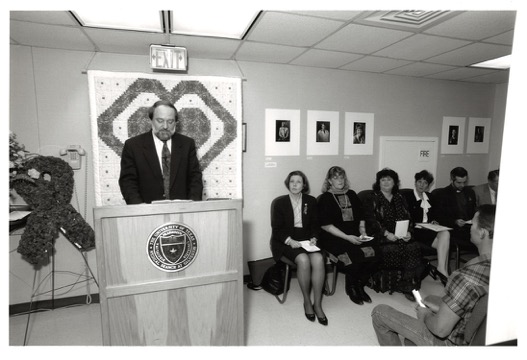
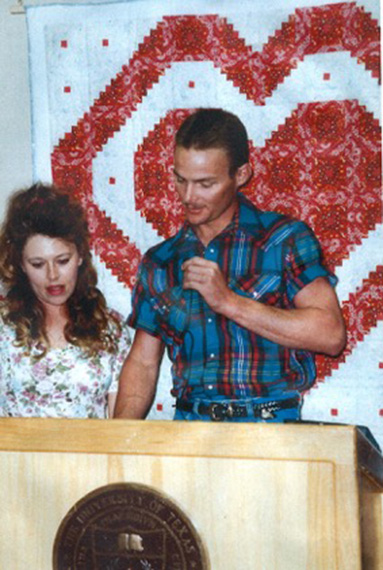
Phyllis and Paul Hoyler, Patients in UTMB HIV Clinic, speaking at exhibition opening.
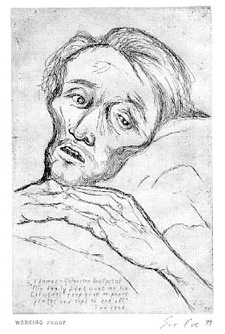
By Robert Massa
Images by Sue Coe
The Village Voice. Feburary 22, 1994. Pages 18-24.
|
|
|
|
|
|
|
|
|
|
|
|
|
|
|
|
|
|
|
|
|
|
|
|
|
|
|
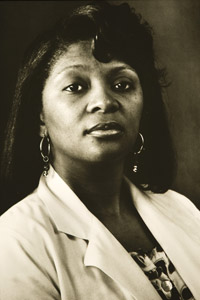
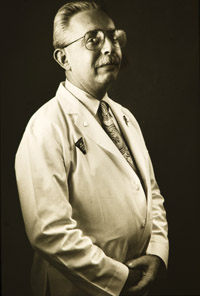
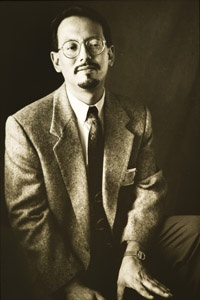
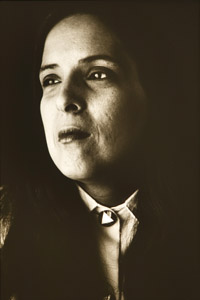
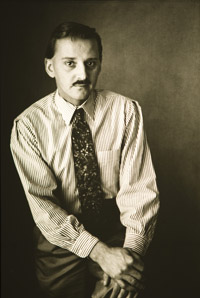
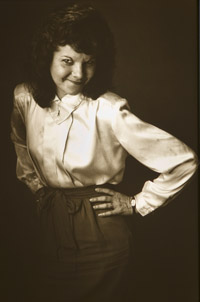
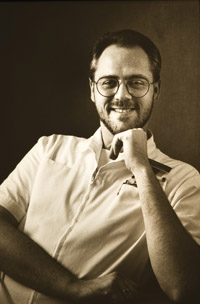
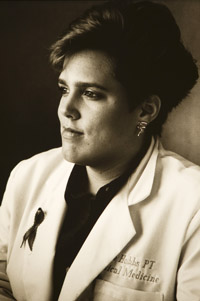
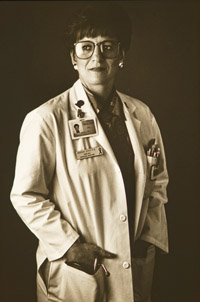
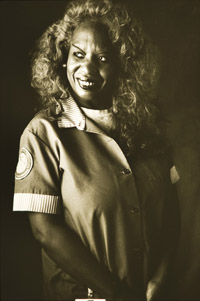
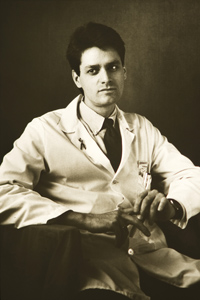
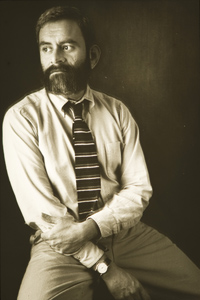
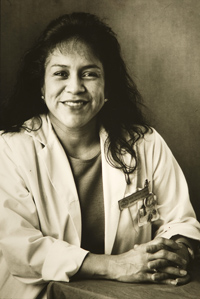
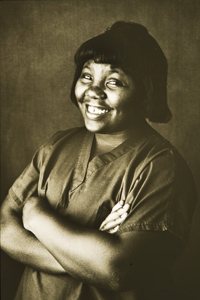
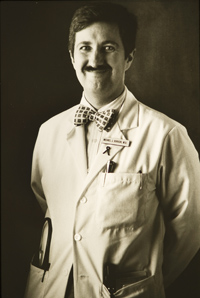
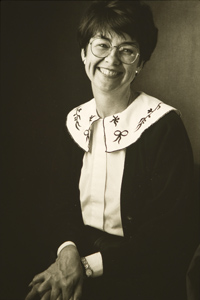
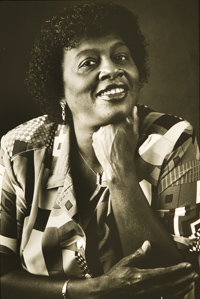
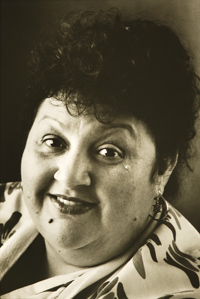
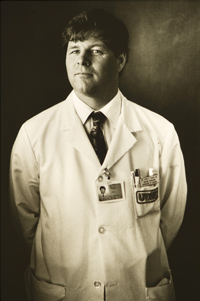
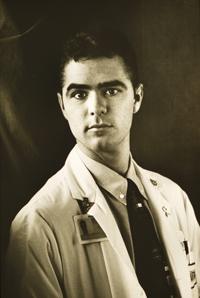
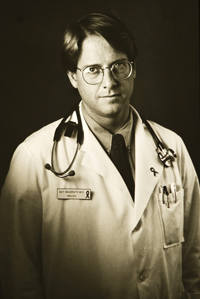
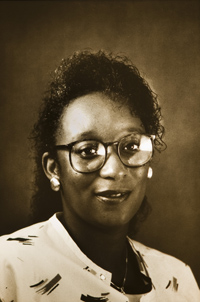
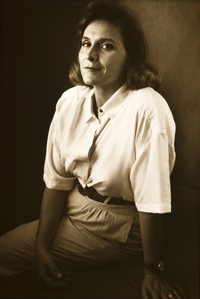
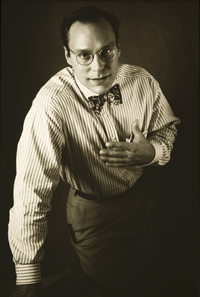
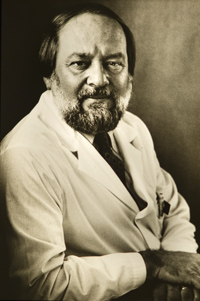
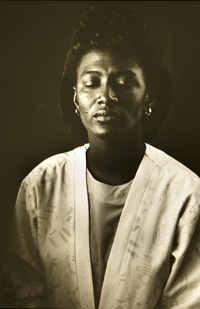
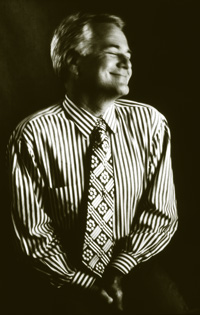
Black and White Photographs
11" x 14"
Rodger Haile, Photographer